
Clinical Insights on Ayurvedic Piles Medicine in India: Guide to Digestive Health and Anorectal Recovery
The Quiet Epidemic: How Sedentary Lifestyles Fuel Anorectal Disorders in Modern India
Anorectal disorders, particularly hemorrhoids, represent one of the most widespread yet underreported health crises in modern India. Epidemiological assessments reveal a striking reality: approximately 75% of the Indian population is affected by internal hemorrhoids at some point in their lives. Medically, hemorrhoids—commonly referred to as piles—are defined as swollen, inflamed, and congested veins located in the lower rectum and anal canal. This pathological enlargement of the rectal venous plexus results in a range of clinical issues, including persistent discomfort, sharp pain, bleeding during bowel movements, and intense local itching.
In the contemporary socioeconomic landscape, working adults aged 26 and above face the highest risk of developing this painful condition. The rise of sedentary office jobs, long hours at desks, and erratic dietary habits have contributed to this trend. Clinical data shows a distinct gender distribution, with approximately 62.1% of documented cases occurring in men and 37.9% in women. While the peak age of incidence is observed between 41 and 50 years, with a mean age of 44.8 years, practitioners are witnessing a significant increase in cases among adults below the age of 40.
Modern medical treatments frequently rely on symptom-masking drugs, local anesthetics, or invasive surgeries that carry risks of tissue scarring and sphincter damage. In contrast, the classical system of Ayurveda offers a holistic alternative by targeting the root metabolic imbalances that cause venous congestion. Consequently, the search for a reliable and effective Ayurvedic Piles medicine in India has grown significantly. Sufferers are increasingly seeking non-invasive, long-term recovery paths that restore digestive balance and prevent recurrence. Selecting an authentic Ayurvedic Piles medicine in India allows patients to experience systematic healing without the complications often associated with conventional post-operative care.
The Pathophysiology of Arsha: How Weakened Digestion and Vitiated Doshas Ignite Piles
In the Ayurvedic medical framework, piles are classified as Arsha, a term translating to “an enemy,” signifying the severe distress the condition inflicts on a patient’s physical and mental well-being.According to classical texts, the development of Arsha is not merely a localized rectal issue but a systemic manifestation of impaired digestion, known as Agni Dushti (weakened digestive fire).
When the digestive fire is compromised by improper food combinations, stress, or a lack of physical activity, the body fails to properly assimilate nutrients, leading to the accumulation of Ama (undigested toxic waste). This toxic waste accumulates in the excretory channels, obstructing the metabolic pathways (Srotas) of the lower intestines and initiating venous congestion in the rectal area. Look for best ayurvedic piles medicine in india
The progression and physical characteristics of piles are determined by imbalances in the three primary bodily humors, or doshas :
Vata Dosha Imbalance: A disturbance in Vata leads to dryness and reduced moisture in the colon, resulting in hard, dry stools and chronic constipation. The straining required to pass these hard stools causes mechanical trauma to the rectal veins, leading to dry, painful, and dark-colored external pile masses. Sufferers of Vata-type piles often find that a targeted Ayurvedic Piles medicine in India is essential to restore natural bowel lubrication.
Pitta Dosha Imbalance: Aggravated Pitta increases localized heat and inflammation in the anal area. This leads to Raktarsha (bleeding piles), characterized by bright red blood during defecation, a severe burning sensation, redness, and localized warmth. Sufferers must seek a cooling Ayurvedic Piles medicine in India designed to balance metabolic heat and protect vascular integrity.
Kapha Dosha Imbalance: An excess of Kapha leads to a sluggish digestive tract, poor circulation, and congestion. This manifests as large, pale, soft, and moist hemorrhoidal masses that secrete mucus but are generally less painful.
Recommending an appropriate Ayurvedic Piles medicine in India requires a thorough understanding of these dosha variations. The table below outlines the primary lifestyle risk factors and their statistical contribution to the development of Arsha:
| Risk Factor | Statistical Contribution | Primary Pathophysiological Mechanism |
|---|---|---|
| Chronic Constipation | 57.5% of patients | Accumulation of dry stool, impaired Apana Vata, and prolonged mechanical straining |
| Low Dietary Fiber | 69.6% of patients | Reduced fecal bulk, sluggish transit times, and hardened stool consistency |
| Sedentary Lifestyle | 59.6% of patients | Poor pelvic blood circulation, venous pooling, and weakened digestive fire (Agnimandya) |
This statistical breakdown highlights why a comprehensive Ayurvedic Piles medicine in India must restore digestive fire (Agni) and regularize bowel motility rather than simply providing localized relief.
Symptoms Self-Assessment: Evaluating Severity and Grading Hemorrhoids
An accurate clinical evaluation of piles relies on identifying key symptoms and understanding the anatomical grading of the hemorrhoidal tissue. Before initiating any Ayurvedic Piles medicine in India, a complete self-assessment is necessary to determine the appropriate treatment pathway. Clinical data indicates that bleeding during defecation is the most common symptom, occurring in 85% of cases, while sharp pain or a throbbing ache during and after bowel movements is reported by 82% of sufferers. Look for best Ayurvedic Piles Medicine in India
Other common symptoms include localized itching, perianal irritation, a palpable swelling or lump near the anus, and a persistent sensation of incomplete bowel evacuation. To guide clinical decision-making, hemorrhoids are classified into four distinct anatomical grades:
| Grade | Diagnostic Criteria | Prevalence | Preferred Therapeutic Approach |
| Grade 1 | Internal hemorrhoids that do not prolapse outside the anal canal | 25% of cases | Conservative management with oral herbs, dietary fiber, and lifestyle changes |
| Grade 2 | Hemorrhoids that prolapse during straining but retract spontaneously | 45% of cases | Specialized oral remedies, local Jatyadi oil, and conservative therapies |
| Grade 3 | Prolapsed hemorrhoids that require manual reduction to return inside | 20% of cases | Minimally invasive parasurgical Kshara Sutra or Kshara Karma |
| Grade 4 | Permanently prolapsed hemorrhoids that cannot be manually reduced | 10% of cases | Surgical intervention, combined with Ayurvedic post-operative care |
This clinical grading system aligns with the selection of a therapeutic Ayurvedic Piles medicine in India. While early-stage hemorrhoids respond well to conservative herbal care, certain clinical indicators demand immediate medical attention. Sufferers must watch for red-flag symptoms such as heavy, unceasing rectal bleeding that leads to dizziness or fainting, severe and sudden anal pain indicating a thrombosed external hemorrhoid, high fever with localized pus discharge, or a permanently prolapsed Grade 4 mass that cannot be returned inside.
The Herbal Pharmacopoeia: Nature's Ten Most Powerful Remedies for Piles
Ayurveda utilizes a rich variety of therapeutic herbs to shrink hemorrhoidal tissue, stop rectal bleeding, and restore healthy digestive functions. When evaluating an Ayurvedic Piles medicine in India, verifying the presence of these ten clinically-backed herbs is essential for ensuring long-term recovery
Triphala (Amalaki + Haritaki + Bibhitaki): As a combination of three potent fruits, Triphala acts as a gentle, non-habit-forming laxative that balances all three doshas, cleanses the colon, and reduces pelvic congestion. It is integrated into nearly every leading Ayurvedic Piles medicine in India due to its ability to prevent chronic straining.
Haritaki: This herb is highly valued for its Vata-balancing and stool-softening properties, helping to promote regular, effortless bowel movements.
Neem (Azadirachta indica): Possessing cooling, anti-inflammatory, and antimicrobial properties, Neem is highly effective at reducing localized itching, irritation, and swelling.
Kutaja (Holarrhena antidysenterica): Known in classical texts as a powerful astringent, Kutaja is a vital component in any Ayurvedic Piles medicine in India formulated for Raktarsha (bleeding piles) due to its ability to arrest blood loss.
Guggulu (Commiphora mukul): Renowned for its anti-inflammatory and tissue-scraping (Lekhana) properties, Guggulu helps to reduce the size of the inflamed hemorrhoidal mass by improving local blood circulation.
Triphala Guggulu: This classical combination combines the laxative benefits of Triphala with the anti-inflammatory actions of Guggulu, reducing severe pain and swelling.
Aloe Vera: Highly cooling and soothing, Aloe Vera gel can be applied externally or consumed internally to reduce intense burning sensations and support tissue healing.
Nirgundi: This herb acts as a natural pain reliever and anti-inflammatory agent, significantly reducing localized congestion and swelling.
Chitrak (Plumbago zeylanica): A potent digestive stimulant, Chitrak rekindles the compromised digestive fire (Agni), helping to clear Ama and alleviate heavy, sluggish Kapha-type piles.
Nagkeshar (Mesua ferrea): Widely recognized for its potent hemostatic (blood-stopping) properties, Nagkeshar strengthens blood vessels and stops active bleeding rapidly in Pitta-type hemorrhoids. The presence of Nagkeshar enhances the overall efficacy of an Ayurvedic Piles medicine in India in managing active bleeding.
Personalized Dosha-Specific Treatment Protocols

Ayurvedic medicine emphasizes that a single remedy cannot cure every individual, as treatment must be tailored to the patient’s dominant dosha imbalance. You should also check best ayurvedic piles medicine in india
Vata-Type Piles Protocol:
Vata-type piles are characterized by dry, rough, and dark hemorrhoids accompanied by high pain and chronic constipation. The first line of Ayurvedic Piles medicine in India for Vata types focuses on lubrication and warm, grounding elements.
1) Herbal Selection: Administer Triphala churna, Kankayana Vati, Arshogni Vati, and Pranada Gutika.
2) Detoxification: Utilize Basti (medicated oil or decoction enema) to lubricate the colon, soften dry stools, and restore the natural downward movement of Apana Vata.
3) Note on Application: If applicable, localized lubrication of the anal canal with warm sesame oil before defecation is highly recommended to prevent mechanical tissue damage.
Pitta-Type Piles Protocol
Pitta-type piles present with frequent bleeding, a hot burning sensation, red and soft hemorrhoidal masses, and occasionally a low-grade fever.
1) Herbal Selection: Use cooling, Pitta-pacifying formulations such as Avipattikara powder, Neem, Guduchi, Shatavari, and Kutajavaleha. Incorporating a cooling Ayurvedic Piles medicine in India alongside these remedies helps optimize results.
2)Detoxification: Apply Virechana (therapeutic purgation) to remove excess heat and bile-related toxins from the liver and small intestines.
3) Note on Application: External application of cool sandalwood paste helps soothe intense burning sensations.
Kapha-Type Piles Protocol
Kapha-type piles are characterized by large, pale, slimy, and painless masses accompanied by a feeling of heaviness and weak digestion.
1) Herbal Selection: Administer warming, astringent remedies like Triphala Guggulu, Chitrak, Nagkeshar, and Punarnava. Clinical strategies for Kapha cases combine oral Ayurvedic Piles medicine in India with digestive stimulants to clear mucus and congestion.
2) Detoxification: Utilize Kshara Karma (alkaline application) as the primary treatment to shrink and dissolve the excess tissue.
3) Note on Application: Dry, warm compresses with brick-dust wrapped in cloth are traditionally used to reduce localized swelling.
Minimally Invasive Procedures for Non-Responsive Hemorrhoids
When oral Ayurvedic Piles medicine in India alone is insufficient to resolve advanced hemorrhoids, Ayurveda offers highly specialized, minimally invasive parasurgical procedures that avoid the risks of conventional surgery.
Kshara Karma (Alkaline Cauterization)
This outpatient procedure involves the precise topical application of a highly alkaline herbal paste (such as Apamarga or Palasha Pratisaraneeya Kshara) directly onto the internal pile mass using a proctoscope. The strong alkaline paste (with a pH typically ranging from 10 to 13.5) is left in contact with the tissue for approximately two minutes before being neutralized with fresh buttermilk.
Multiple clinical studies involving 30 patients have demonstrated that Kshara Karma is extremely safe and effective for Grade 1 and Grade 2 internal hemorrhoids, showing a statistically highly significant reduction in pile size and complete cessation of bleeding within 7 to 14 days without any adverse side effects. While the patient continues a supporting Ayurvedic Piles medicine in India, Kshara Karma works as an effective local intervention.
Kshara Sutra (Medicated Thread Therapy)
Recognized globally as a major breakthrough in anorectal care, this procedure uses a sterile linen thread repeatedly coated with herbal ingredients, including Snuhi latex, Apamarga Kshara, and Haridra powder. The medicated thread is tied securely around the base of the pile mass under local anesthesia, cutting off its blood supply. The tissue gradually shrinks, necrotizes, and sheds naturally within 7 to 10 days. Sufferers experience minimal pain compared to a conventional hemorrhoidectomy, and the recovery period is remarkably short, with most patients returning to light work the next day. The recurrence rate is extremely low, making it a highly cost-effective option. The therapy is highly affordable, with daycare sessions costing between ₹1,500 and ₹3,000
Sitz Bath (Avagaha Sweda)
This therapy is a highly recommended home care practice where the patient sits in a tub of warm water mixed with a decoction of Triphala or Dashamoola for 15 to 20 minutes. This therapy provides immediate relief from local pain and itching, improves regional blood circulation, and reduces inflammation. It helps speed up recovery and enhances the absorption of systemic Ayurvedic Piles medicine in India.
Direct Relief: Medicated Oils and Antiseptic Pastes
To complement an oral treatment plan, localized topical applications provide rapid relief from swelling, burning, and pain, acting as a crucial local partner to any oral Ayurvedic Piles medicine in India.
Jatyadi Taila: A classical medicated oil formulated with herbs like Jasmine, Neem, and Turmeric, Jatyadi Taila is highly valued for its ability to heal micro-fissures, lubricate the anal canal, and reduce sharp post-defecation pain.
Nirgundi Taila: This oil is highly effective at reducing localized congestion, throbbing discomfort, and external swelling, which acts as an excellent topical companion to oral Ayurvedic Piles medicine in India.
Karanja and Nimba Oil: Possessing natural antibacterial, anti-inflammatory, and wound-healing properties, this combination prevents secondary bacterial infections in bleeding piles.
Sandalwood and Sesame Oil: A highly cooling topical blend that instantly soothes the intense heat and burning sensation associated with Pitta-type piles.
Turmeric, Sandalwood, and Neem Paste (Lepa): An easy-to-prepare herbal paste that can be applied to external hemorrhoids to act as an antiseptic shield, promote rapid tissue regeneration, and reduce intense itching. These local applications work synergistically with internal Ayurvedic Piles medicine in India to manage external discomfort.
Market Landscape: Comparing India's Leading Piles Medicine Brands
When comparing the best Ayurvedic Piles medicine in India across brands, it is helpful to analyze their heritage, positioning, and flagship products to make an informed therapeutic choice. The marketplace for Ayurvedic Piles medicine in India has grown significantly, and understanding these options helps patients find the most suitable treatment.
| Brand | Heritage | Market Positioning | Key Piles Product | Availability & Access |
| Patanjali Ayurved | Founded in 2006 | Fastest-growing brand; emphasizes affordable, mass-market herbal wellness | Divya Arshkalp Vati, Kayakalp Vati | Widely available nationwide through dedicated retail outlets |
| Baidyanath | Founded in 1917 (100+ years) | Most revered brand; focuses on classical, textbook-based formulations | Classical Arsha formulations (e.g., Arshoghni Vati, Bolbadh Ras) | Extensive distributor network across standard pharmacies |
| Himalaya Wellness | Founded in 1930 | Premium pricing; utilizes a scientific approach with clinical validation | Pilex Tablets, Pilex Ointment | Nationwide availability across modern pharmacies and retail |
| Sampuran Swadeshi | Emerging Brand | Wellness-focused; utilizes modern packaging and organic herbal juices | Piles Stopper Kit, Aloe Vera Juice with Fibre | Online and direct-to-consumer (D2C) e-commerce channels |
| Hindustan Ayurved | Founded in 2001 | Clinical-grade research focus; supervised by clinical M.D. experts | Indrajeet Capsules (Anti-Hemorrhagic, Anti-Pruritic) | Available through direct clinical consultation and online/D2C |
Nourishing the Gut: Detailed Dietary Protocols
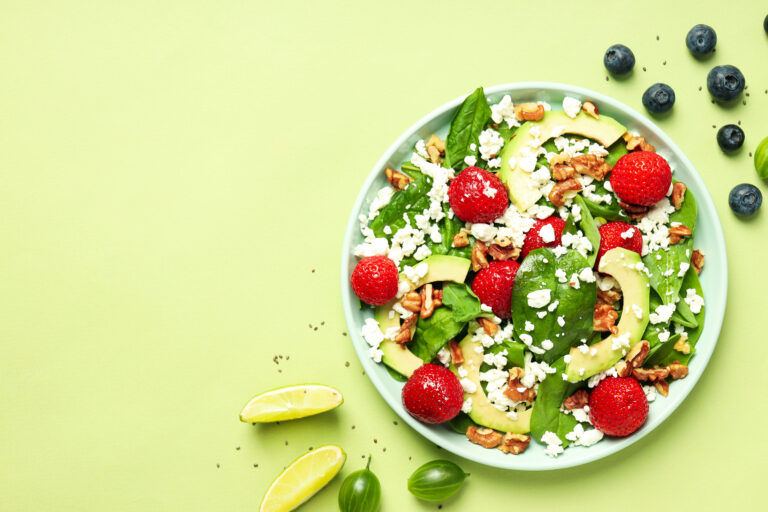
- The success of any Ayurvedic Piles medicine in India relies on strict adherence to a gut-friendly diet designed to prevent constipation and balance the doshas.
Mandatory High-Fiber Foods: Sufferers must prioritize whole grains (like brown rice, oats, and whole wheat), leafy green vegetables (such as spinach, methi, and curry leaves), and high-water-content fruits (such as ripe papaya, pomegranate, and figs). This nutritional fiber makes the action of an Ayurvedic Piles medicine in India much more effective by preventing mechanical stool irritation.
Hydration Guidelines: Drinking 8 to 10 glasses of warm water daily is critical for softening the stool. Cold water must be strictly avoided as it constricts the digestive tract and aggravates Vata dosha, worsening constipation.
Foods to Avoid:
Pitta-Type: Avoid all spicy, oily, deep-fried foods, green chilies, and heavy spices that trigger localized burning and bleeding.
Vata-Type: Avoid dry, rough, cold, and highly processed foods (such as chips, crackers, and bakery products) that deplete colon moisture.
Kapha-Type: Avoid heavy, greasy, dairy-rich, and overly sweet foods that slow down metabolism and cause bowel sluggishness.
Universal Avoidance: All piles patients must completely eliminate red meat, alcohol, excessive caffeine, and refined white sugar.
Supplements: Patients can take 1 to 2 teaspoons of Isabgol (psyllium husk) with a glass of warm milk or water at bedtime to ensure smooth morning bowel movements. Incorporating high-quality probiotics (such as fresh buttermilk infused with roasted cumin powder) helps enhance the absorption of the active components in Ayurvedic Piles medicine in India.
Physical Alignment: Lifestyle Routines for Pelvic Health
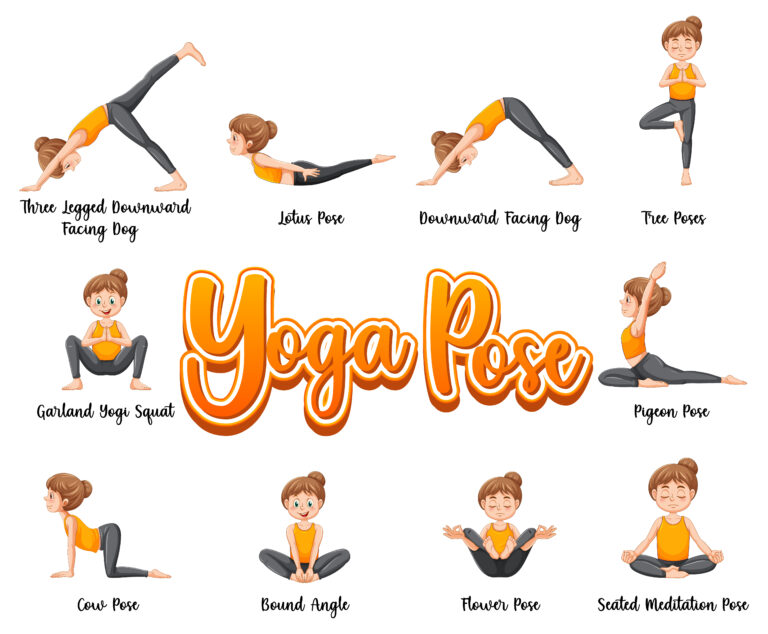
Modifying daily physical habits is essential to relieve pelvic congestion and support the structural healing initiated by Ayurvedic Piles medicine in India. Pelvic health routines complement the efficacy of Ayurvedic Piles medicine in India by reducing intra-abdominal pressure and improving local blood circulation with plevic Exercise you should see ayurvedic piles medicine in india
Daily Exercise: Engaging in a 30-minute light walk daily improves systemic circulation, stimulates healthy intestinal movement, and prevents pelvic blood pooling.
Targeted Yoga Poses:
Pavanamuktasana (Wind-Relieving Pose): Gently massages the abdominal organs, relieves trapped gas, and reduces pressure on the lower abdomen.
Vajrasana (Thunderbolt Pose): Sitting in this posture for 5 to 10 minutes post-meals enhances blood flow to the digestive tract, significantly improving food absorption.
Malasana (Garland Pose): A deep squatting posture that naturally aligns the rectal canal, relaxes the pelvic floor muscles, and facilitates effortless elimination.
Avoid Prolonged Sitting: Desk-bound professionals must stand up, stretch, or walk for 2 minutes after every hour of sitting to relieve pressure on the rectal veins.
Avoid Straining: Sufferers must never force a bowel movement or sit on the toilet for more than 5 minutes, as prolonged sitting on a toilet seat increases pelvic congestion.
Stress Management: Chronic stress aggravates Vata and Pitta doshas; incorporating 10 minutes of daily pranayama (breathing exercises) and meditation helps maintain autonomic nervous system balance.
Maintain a Healthy Weight: Excess body weight increases intra-abdominal pressure, putting constant strain on the pelvic veins.
Special Caution for Pregnant Women: Pregnant individuals must take extra precautions, as 47.6% of female piles cases show a strong correlation with a family history of tissue weakness combined with increased pelvic pressure during gestation..
Clinical Paradigm: Ayurveda vs. Modern Medicine
Deciding between Ayurvedic interventions and modern surgical approaches is a common dilemma. The table below illustrates how an integrated Ayurvedic Piles medicine in India framework compares with modern surgical interventions across different clinical scenarios :
| Clinical Condition | Best Approach | Primary Clinical Rationale |
|---|---|---|
| Grade 1-2 Hemorrhoids | Ayurveda first-line treatment | High success rate, non-invasive, and zero systemic side effects |
| Grade 3-4 Hemorrhoids | Modern surgery (Hemorrhoidectomy) | Severe prolapse requires physical removal of structural tissue |
| Severe Thrombosis | Emergency modern surgery | Acute blood clots represent a medical emergency requiring rapid surgical decompression |
| Heavy Rectal Bleeding | Modern diagnostic care + Ayurvedic follow-up | Essential to rule out malignant ulcers first, followed by restorative Ayurvedic treatment |
| Recurrence Prevention | Long-term Ayurvedic management | Only Ayurveda addresses the underlying digestive imbalances (Agni Dushti) |
| Post-Surgery Recovery | Complementary Ayurvedic therapies | Promotes faster localized tissue healing and reduces post-operative pain |
The most effective clinical outcome is often achieved through a combined approach, integrating modern diagnostics with Ayurvedic healing to target both localized symptoms and the underlying digestive root causes.
Actionable Recovery Timelines and Protocols
To help patients implement these guidelines, a structured daily recovery timeline is outlined below:
Daily Prevention Checklist
1.Morning: Consume a high-fiber, warm breakfast (such as oats, vegetable poha, or upma). Drink 2 glasses of warm water immediately upon waking.
2. Afternoon: Stand up and stretch for 2 minutes after every hour of sitting. Drink 3 to 4 glasses of warm water during work hours.
3. Evening: Take a 30-minute walk post-dinner. Take 1 teaspoon of Triphala churna with warm water before bed if prone to constipation.
4. Night: Practice 5 minutes of deep breathing or sit in Vajrasana post-dinner to aid digestion.
Early Symptom Intervention Timeline
Week 1: Transition immediately to a strictly high-fiber, low-spice diet. Start taking 1 teaspoon of Triphala churna with warm water at night.
Week 2: If localized pain or itching persists, add Jatyadi Taila topical application twice daily (after passing stool and at bedtime)
Week 3: Schedule an in-person consultation with an Ayurvedic doctor if symptoms do not show noticeable improvement.
Week 4: For confirmed Grade 2 hemorrhoids with persistent prolapse, discuss specialized, minimally invasive parasurgical therapies like Kshara Karma with a Shalya Tantra specialist.
Warning: Delaying modern emergency care in favor of oral Ayurvedic Piles medicine in India is highly discouraged in cases of heavy bleeding, severe and unrelieved localized pain, fever, or a permanently prolapsed hemorrhoid that cannot be retracted.
Clinical Spotlight: Indrajeet Capsules by Hindustan Ayurved Research Centre
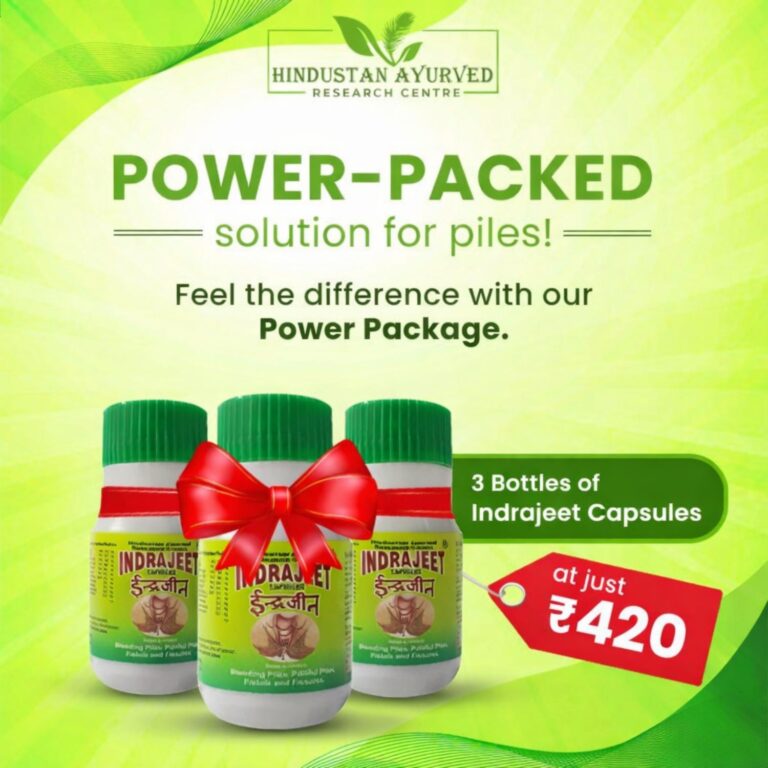
For those seeking a definitive Ayurvedic Piles medicine in India, Indrajeet Capsules, developed by the Hindustan Ayurved Research Centre (HARC), stand as a pinnacle of clinical research in the domain of Ayurvedic Piles medicine in India. Established in 2001 under the expert leadership of Dr. Mahendra Mehta, M.D. (Ayurved)—a highly respected double M.D. researcher with over 30 years of clinical and academic excellence—HARC is dedicated to bringing medical rigor and scientific validation to classical Ayurvedic remedies.
Key Therapeutic Advantages
Controls Bleeding & Itching: Formulated as a highly effective anti-hemorrhoidal, anti-pruritic, and anti-inflammatory remedy, it quickly arrests rectal bleeding and reduces local itching and irritation.
Reduces Congestion: Improves local blood circulation in the pelvic area to reduce hemorrhoidal venous congestion and help shrink piles tissue size.
Eases Bowel Movements: Acts as a mild, non-habit-forming laxative to ease constipation and reduce straining.
Supports Pre- & Post-Operative Care: Used before surgery to reduce tissue inflammation and post-operatively to support tissue repair and prevent recurrence.
Detailed Herbal Composition
The precise clinical-grade formula of Indrajeet Capsules combines the highly concentrated extracts of over 25 natural ingredients, ensuring comprehensive digestive and vascular support :
Amalki Ghan (Emblica officinalis): 133.3 mg
Haridra Ghan (Turmeric) (Curcuma longa): 66.66 mg
Balharda Ghan (Haritaki) (Terminalia chebula): 46.66 mg
Nagkesar Ghan (Mesua ferrea): 33.33 mg
Shatavari Ghan (Asparagus racemosus): 8.0 mg
Shatavari Churna: 5.0 mg
Daruharidra Ghan (Berberis aristata): 6.66 mg
Jeerak Ghan (Cuminum cyminum): 5.2 mg
Nishottar Churna (Operculina turpethum): 5.0 mg
Pattanga Churna (Caesalpinia sappan): 5.0 mg
Yashtimadhu Churna (Glycyrrhiza glabra): 5.0 mg
Yashtimadhu Ghan: 4.0 mg
Chitrak Ghan (Plumbago zeylanica): 3.33 mg
Gudvel Ghan (Tinospora cordifolia): 3.33 mg
Indrajav Ghan (Holarrhena antidysenterica): 1.66 mg
Nishottar Ghan: 1.66 mg
Kutaj Ghan: 2.33 mg
Bhringraj Ghan (Eclipta alba): 2.0 mg
Jaswand Ghan (Hibiscus rosa-sinensis): 2.0 mg
Bibhitak Ghan (Terminalia bellirica): 1.33 mg
Mochrus Ghan (Bombax malabaricum): 1.33 mg
Neem Ghan (Azadirachta indica): 1.0 mg
Pattanga Ghan: 2.66 mg
Durva Ghan (Cynodon dactylon): 0.66 mg
This extensive, highly specific ingredient list makes this formulation a highly effective Ayurvedic Piles medicine in India.
Dosage, Administration, and Pricing
Indrajeet Capsules are highly cost-effective, priced at ₹150 for a bottle of 30 capsules (with convenient multi-packs like the Piles Relief Pack of 3 bottles available for ₹420) “Indrajeet Capsules – Pileds Relief Pack“. The recommended clinical dosage is 2 capsules taken 3 times a day. For optimal absorption and cooling relief, they should be consumed with fresh buttermilk or warm water. For chronic or long-standing conditions, continuing the course for 3 months is highly recommended to ensure complete, long-term tissue healing and prevent recurrence. Also for Best Piles Medicine in india click here